


If you have ever wondered why two gold jewelry pieces can look similar but wear completely differently over time, the answer almost always comes down to the type of gold used. “Gold jewelry” is not one single thing. It is a category that includes several different materials, each with its own structure, durability, and long-term behavior.
After more than two decades designing jewelry and working hands-on with these materials, I have learned that understanding the types of gold in jewelry matters just as much as choosing the design itself. This guide breaks down what those terms really mean, how each type wears over time, and how I recommend choosing based on real life, not marketing language.
Updated June 2026
Why The Type Of Gold In Jewelry Matters
The type of gold used in a piece directly affects how it wears, how much care it needs, and how long it will last. Some gold jewelry is designed to be worn every day for years. Other types are better suited for occasional wear or trend-driven styles.
Knowing the difference helps you avoid disappointment and build a collection that works with your lifestyle rather than against it.
If you are curious about how jewelry materials, construction, and finishing affect longevity, you can also explore our guide to jewelry craftsmanship and design philosophy.
Solid Gold Jewelry
Solid gold jewelry is made from gold alloyed with other metals for strength. The purity of solid gold is measured in karats, which indicate how much pure gold is present in the piece.

In everyday fine jewelry, I typically recommend 14k or 18k gold. These options balance durability with richness of color. While 24k gold is visually striking, it is much softer and can bend or scratch more easily depending on the design.
Solid gold does not tarnish and is ideal for pieces meant to be worn consistently over time.
Solid gold is best for:
• Everyday fine jewelry
• Heirloom and long-term pieces
• Sensitive skin
Explore our collection of fine jewelry designed for everyday wear and long-term durability.

Gold filled jewelry
Gold filled jewelry is created by bonding a thick layer of solid gold to a base metal using heat and pressure. This process results in significantly more gold content than standard gold plating.
Gold filled is one of my preferred materials for everyday demi-fine jewelry. When cared for properly, it offers excellent longevity and maintains its appearance for years, making it a practical choice for pieces worn often.
Gold filled is best for:
• Everyday jewelry
• Layering chains and staple earrings
• Long-term wear at a more accessible price point
You can explore everyday styles in our gold filled jewelry collection.
New to gold filled and wondering how it compares to solid gold or vermeil, start with our guide to understanding the types of gold in jewelry so you know exactly what you are buying and how it wears over time.

Gold vermeil jewelry
Gold vermeil is gold layered over sterling silver, with specific standards around gold thickness and karat weight. While it uses a precious metal base, vermeil is more delicate than solid gold or gold filled jewelry.
Vermeil works well for pieces that are rotated rather than worn daily. With mindful care and proper storage, it can maintain its finish beautifully.
Gold vermeil is best for:
• Occasional wear
• Jewelry rotated within a collection
• Styles where sterling silver is preferred
Explore our gold vermeil jewelry designs.
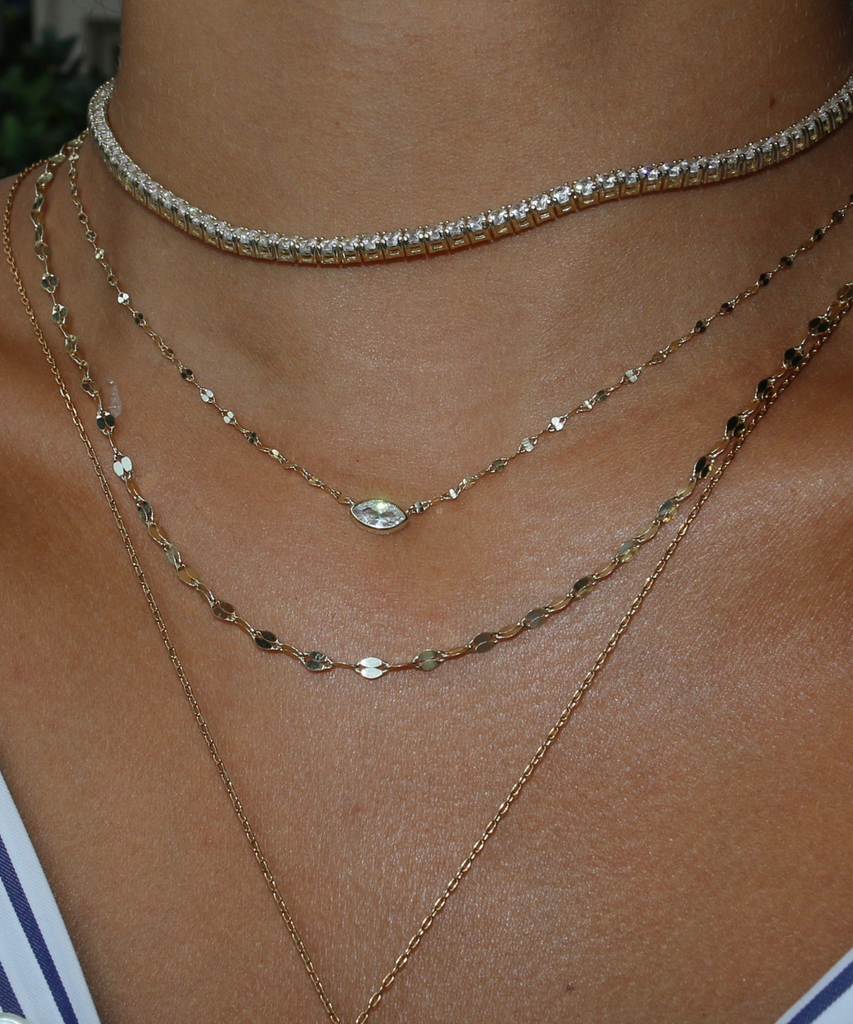
Gold plated jewelry
Gold plated jewelry consists of a thin layer of gold applied over a base metal through electroplating. Because the gold layer is minimal, plated jewelry typically shows wear more quickly with frequent use, water exposure, or contact with skincare products.
I often recommend gold plated jewelry for trend-driven pieces or occasional wear rather than items intended for daily use.
Gold plated is best for:
• Fashion jewelry
• Trend-based styles
• Occasional wear

Quick comparison of types of gold in jewelry
This chart provides a side-by-side view of how the different types of gold jewelry compare.

How to choose the right type of gold for you
When choosing jewelry, the best place to start is how often you plan to wear the piece.
If you want jewelry you can wear daily without worrying about wear, solid gold or gold filled are usually the best options.
If you enjoy rotating pieces and caring for them thoughtfully, gold vermeil can be a beautiful addition to your collection.
Gold plated jewelry works well for styles you plan to wear occasionally.
Many clients choose to build their jewelry wardrobe gradually by starting with everyday essentials like necklaces, rings, and bracelets designed for long-term wear.
You can explore our collections of:
• gold and silver necklaces
• gold and silver bracelets
• fine jewelry
Caring For Gold Jewelry
Proper care extends the life of every type of gold jewelry.
• Put jewelry on after fragrance and lotion
• Remove jewelry before swimming or showering
• Store pieces separately to prevent scratching
• Wipe jewelry with a soft cloth after wear
For a deeper guide, you can explore our Jewelry Care Guide.
A Jewelry Designer’s Perspective
After more than two decades designing jewelry and working closely with manufacturers in New York and Philadelphia, I have seen how different gold materials perform over time.
Clients often choose jewelry based on appearance first. The real difference usually shows up later through daily wear.
In my experience, solid gold and gold filled jewelry offer the best balance of durability and long term value for pieces worn regularly.
Vermeil can be beautiful for pieces rotated within a collection, while gold plated jewelry is better suited for occasional wear.
Understanding how materials behave over time is a key part of how I approach designing collections at Camille Jewelry.
If you would like to learn more about how materials, structure, and finishing influence durability, you can explore how jewelry craftsmanship affects longevity.
FAQs about types of gold in jewelry
What is the best type of gold for everyday jewelry?
Solid gold and gold filled are generally the most durable options for daily wear.
Does gold filled jewelry tarnish?
Gold filled can show wear over time depending on care, but it is far more durable than standard gold plating.
How can I tell what type of gold my jewelry is?
Look for markings such as 14k, 18k, or GF. A jeweler can also help identify materials.
Closing
Understanding the types of gold in jewelry allows you to make confident choices and build a collection that lasts. The right option is always the one that fits your lifestyle, how you wear your jewelry, and what you want each piece to do for you over time.


