What Happens to Fine Necklaces After Ten Years of Wear
Gold filled and vermeil both carry a gold layer over a base metal. That layer is measured in microns and it eventually wears through at the friction points, usually the clasp and the back of the chain where it sits against the neck. Solid 14k gold has no layer. The alloy runs all the way through, so a scratch exposes more of the same metal rather than something underneath. What changes over a decade is surface, not substance. A high polish softens into a low sheen, and most owners prefer it. A jeweler can bring the original finish back in about twenty minutes with a polishing wheel, and the piece loses almost nothing in the process.
What 14k Solid Gold Actually Means
Pure gold is 24 karat and too soft to hold a stone or a clasp. 14k is 58.3 percent gold, alloyed with metals like copper and silver for hardness. That ratio is the reason a solid gold chain necklace can be worn every day without bending out of shape. It also carries a hallmark, usually stamped 14k or 585 near the clasp, which is how any jeweler in the world identifies it decades from now.
Where a Fine Necklace Sits in a Jewelry Wardrobe
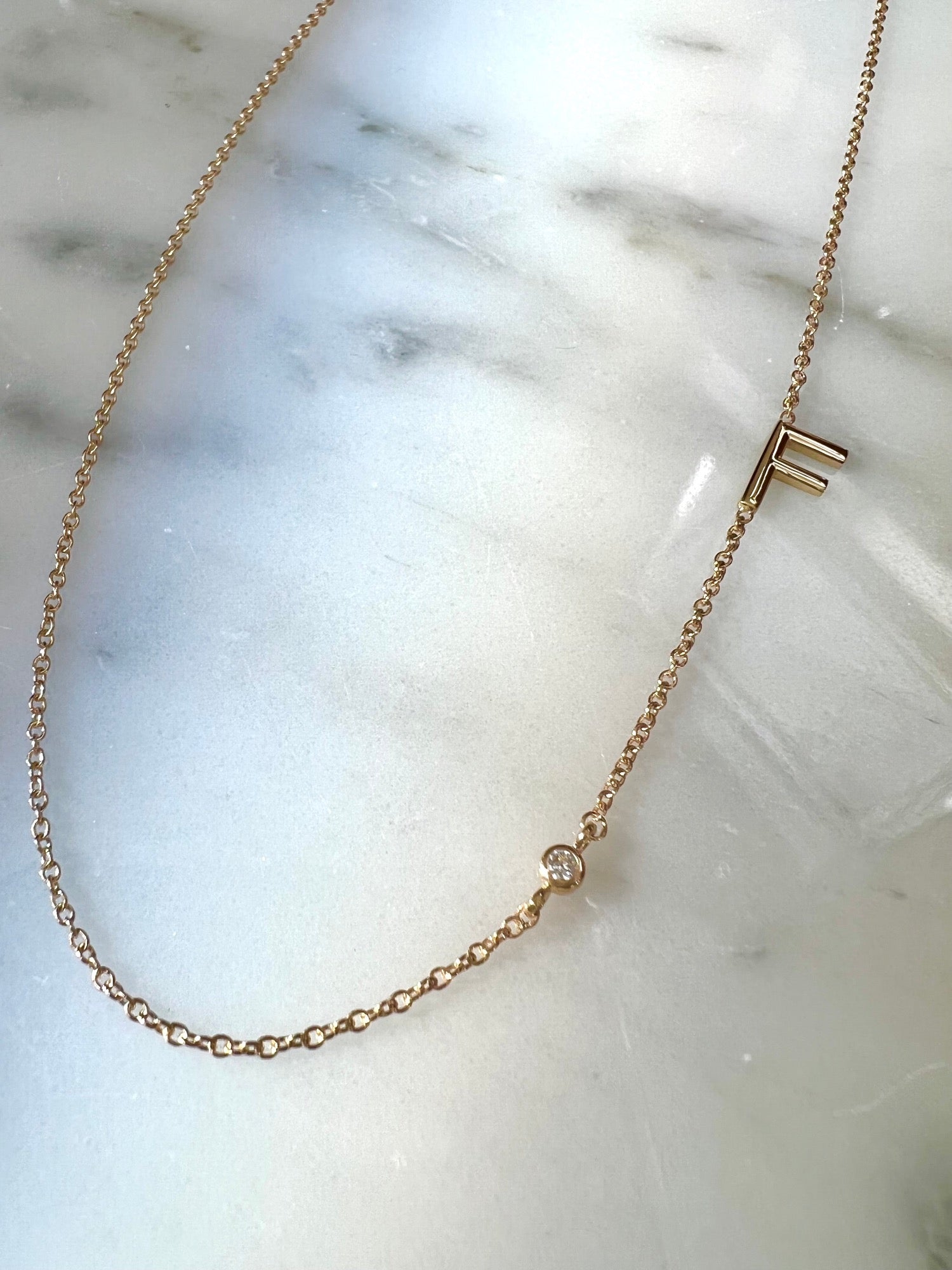
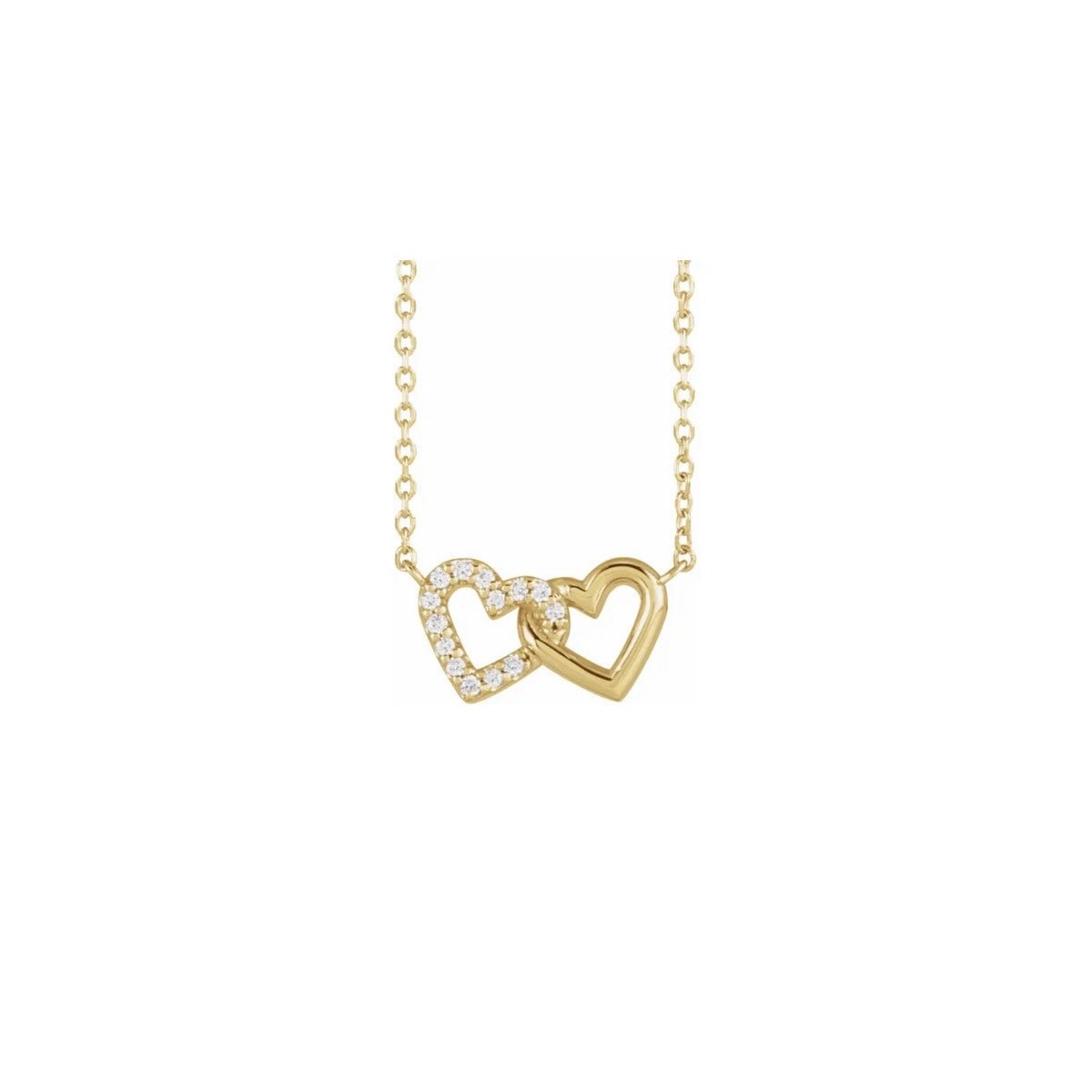
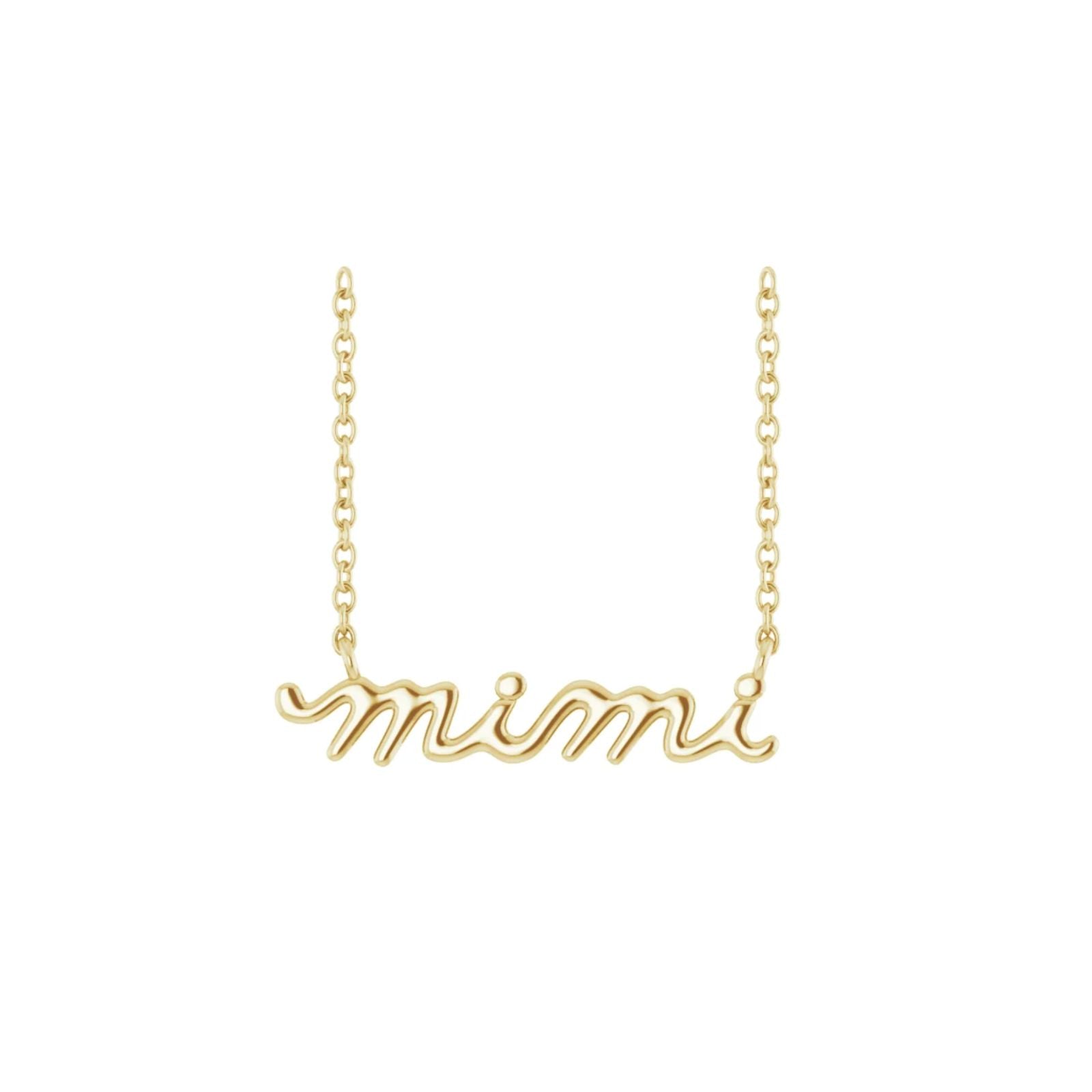
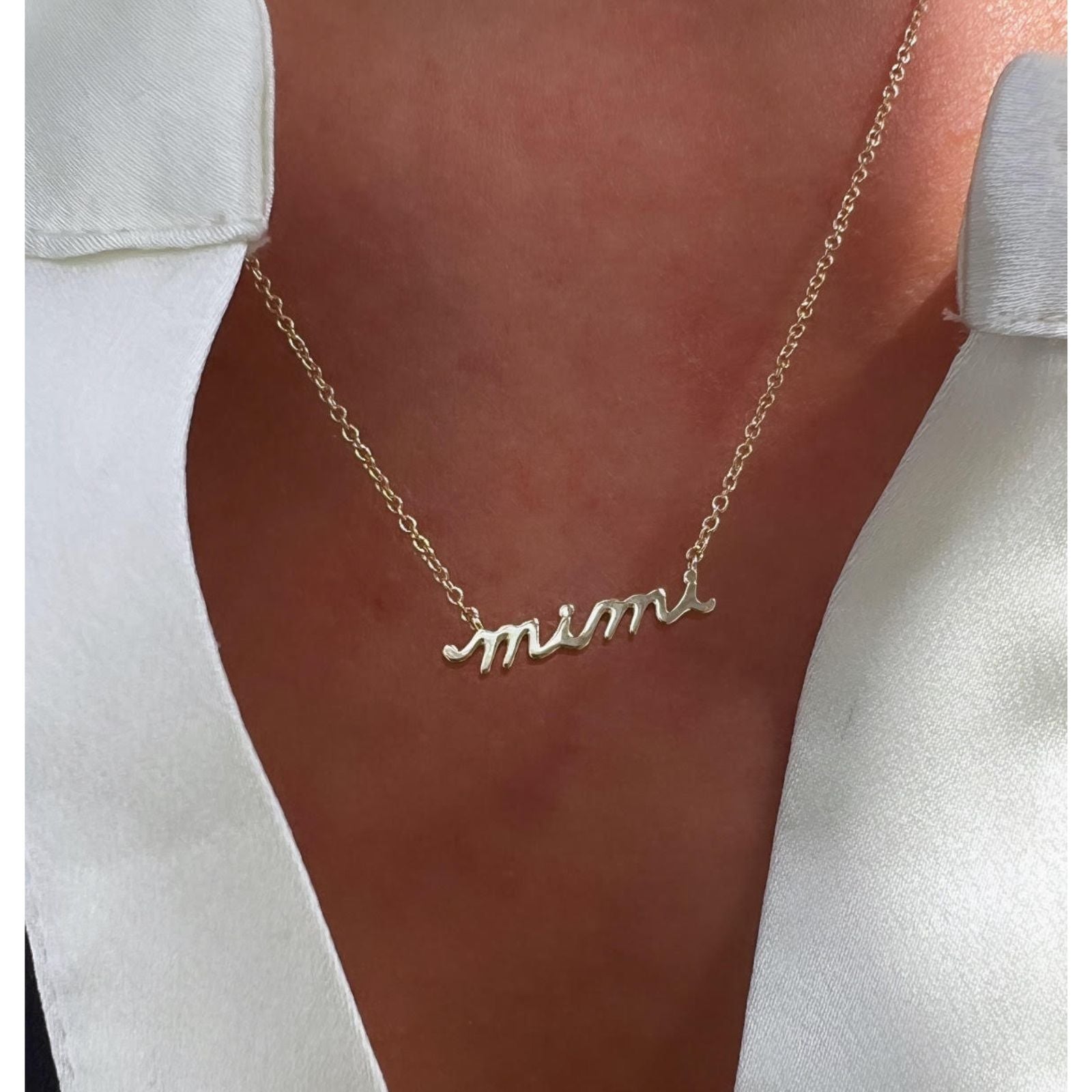
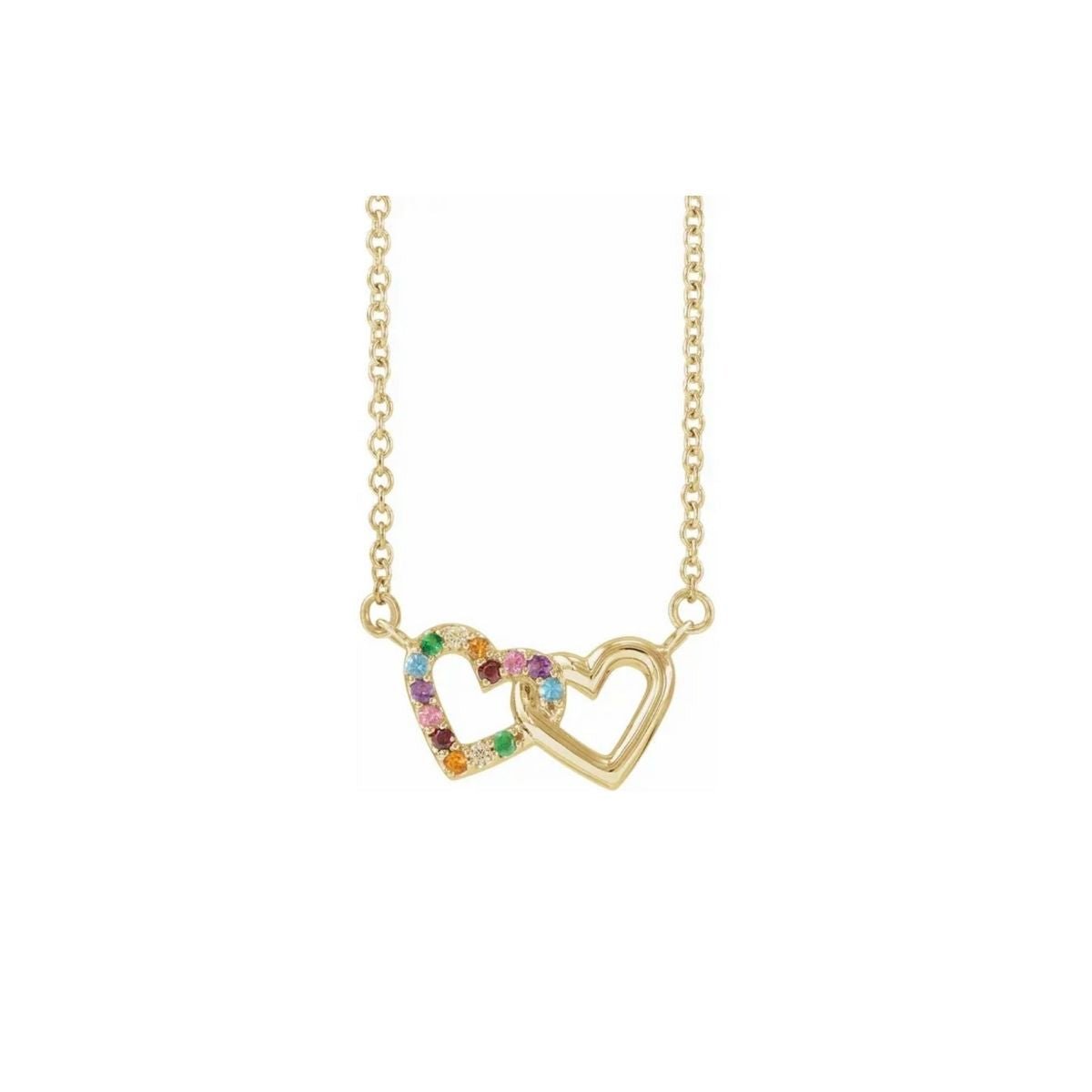
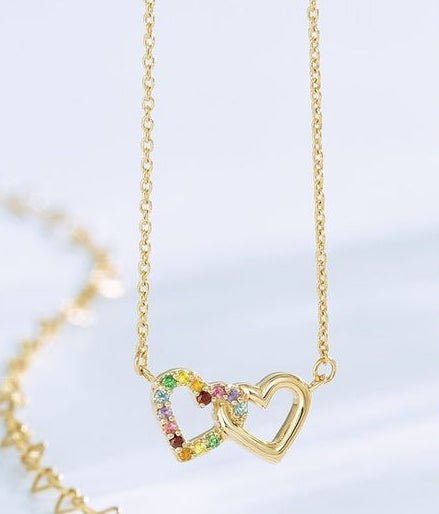
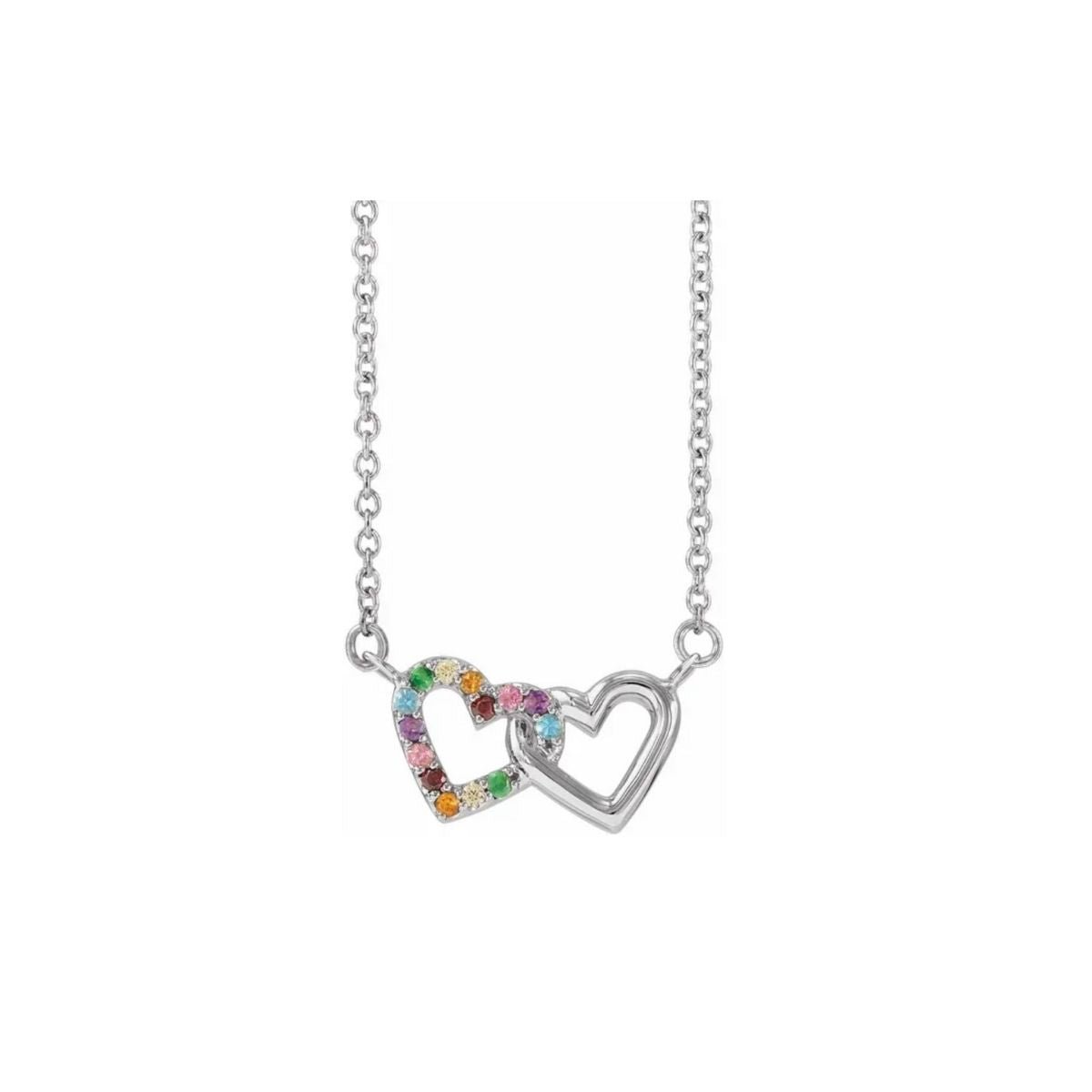
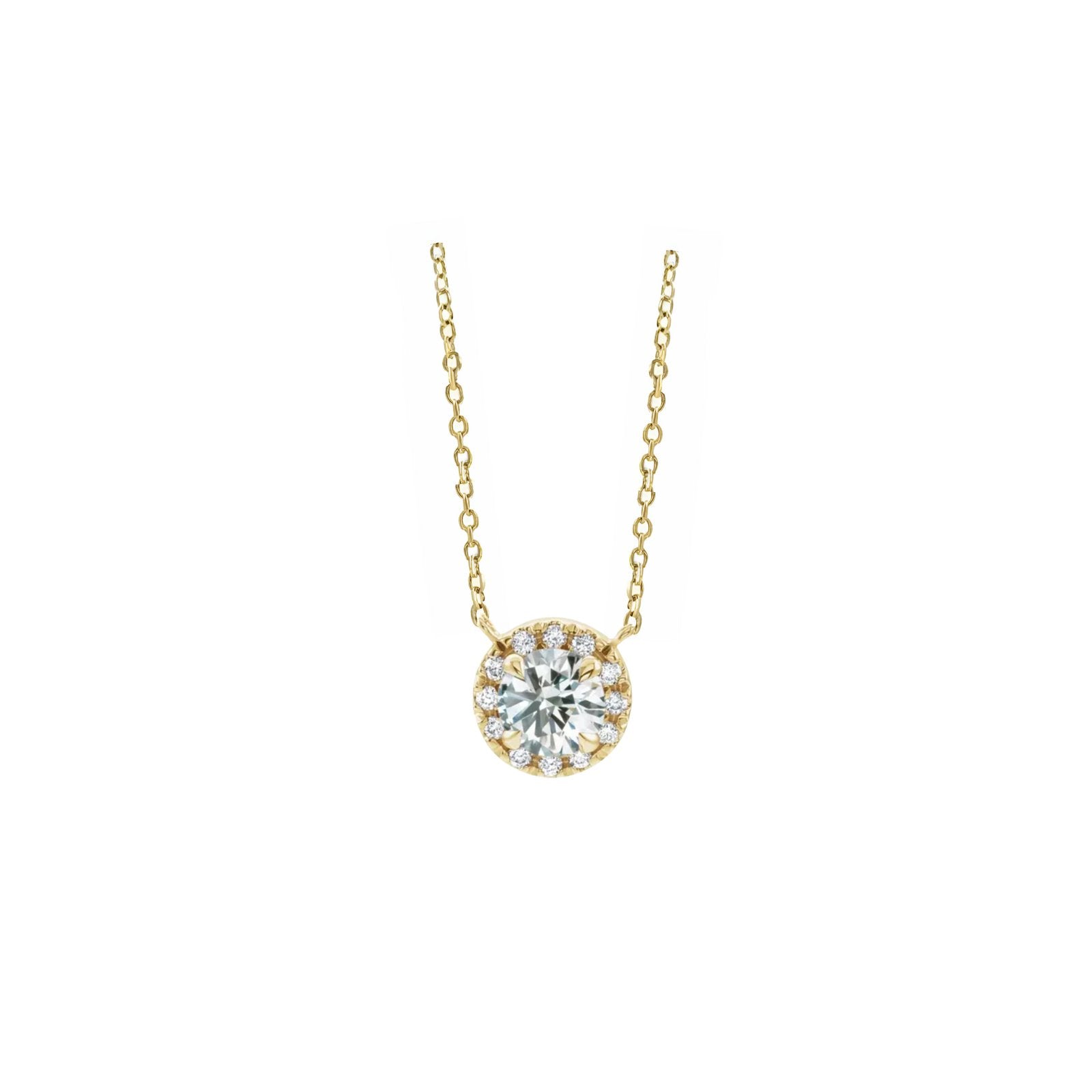
Most jewelry wardrobes are built from the bottom up. Gold filled and sterling silver pieces come first because they let you learn what you actually reach for. Fine jewelry for women usually enters later, once the shape and the length are settled and the piece is worth committing to. A single solid gold necklace anchors everything around it, and the demi fine pieces layered with it stop reading as budget and start reading as deliberate.